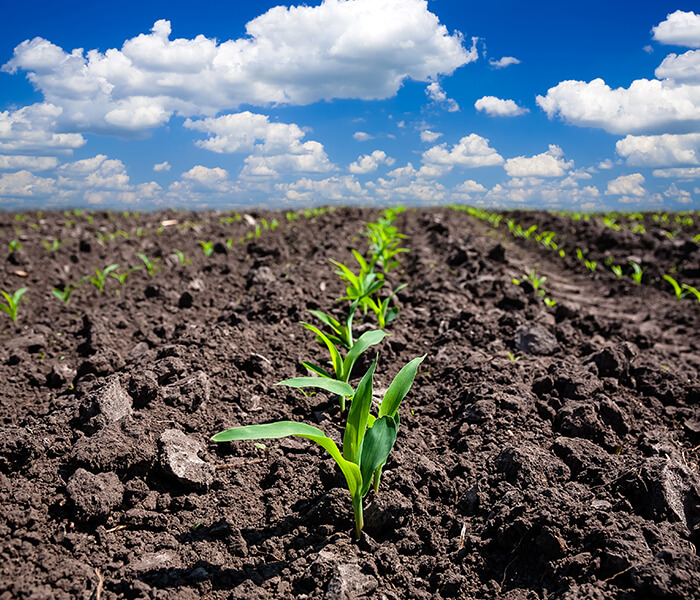
Crop management never ends if you want to protect the time and investments you have. As we head into mid-season of the crop calendar a fungicide application should be considered to help you protect and save yield loss if conditions are favorable.
Disease prevention, curative activity and improved plant health all play into your choosing to do a fungicide treatment. Your Premier agronomist is a great asset to call on to talk thru what varieties you have planted and how the response to fungicide scores looks if you do an application.
Next, they will factor in crop rotations and forecast on the horizons for disease impacts like tar spot. As you check the boxes with weather and other uncontrollable conditions, you can continue your conversation with your agronomist to determine the net potential of a treatment.
Please give a call to your Premier agronomist to take this conversation further and meet your needs for 2024. Their guidance and experience are great tools to have in your toolbox to protect your yield.
June Agronomy Checklist
• Scouting for insects, weeds, and disease
• Application of side dress nitrogen + stabilizer
• Timely early post herbicide application
• Alfalfa fertilization based on crop removal
• Fungicide and insecticide treatments on alfalfa
• Fungicide treatments for soybean and corn
• Tissue testing for plant hunger signs
• Feeding of micros from tissue testing results
• Answer Plot and Premier Acre Trail Tours
Ken Jahnke
Division Sales Manager