Shrink impacts your bottom line.
When someone says minimize shrink in dairy feed, what’s the first thing that pops into your head? Is it feed bunk management, proper defacing or feed waste? Shrink is all of that and much more. A different definition of shrink is dairy feed that was not consistently consumed or adequately utilized by the animal. Examples include:
• Unprocessed corn silage that passes through into manure.
• Commodities blown away as a delivery truck tries to deliver feed on a windy day.
• Feed consumed by the cow that she didn’t need or was fed in incorrect amounts.
In all these cases, shrink impacts your bottom line. So, how can you combat shrink and reduce the impact on your wallet?
Follow these three tips to help reduce shrink on your farm:
Tip 1: Manage your TMR mixer for consistent feed delivery
An overlooked area of shrink is proper mixing of the total mixed ration (TMR). A poorly mixed TMR can result in two cows in the same pen, receiving the same TMR batch, but getting two very different meals. One cow may get more nutrients than she needs, and the other cow may get fewer nutrients than she requires. The two cows may eat the same size of meal, but due to improper mixing – one overconsumes and one under consumes key nutrients. Production for that pen could be lower than expected. This could be viewed as shrink.
TMR mixers are not designed to fully incorporate small amounts of ingredients. For example, if you put in 10 pounds of an ingredient into a 10,000-pound total batch, how evenly will those 10 pounds get distributed throughout the 10,000-pound ration? Likely not very well. Combine dry dairy feed ingredients into a single, cohesive batch, mixed ahead of time to help ensure proper amounts of ingredients are delivered to all animals.
Tip 2: Evaluate feed bin ventilation
Feed bins are a great way to protect dairy feed ingredients from the elements and reduce shrink. However, one often overlooked aspect is ventilation. Feed bins that aren’t properly ventilated can reach high internal temperatures, especially during summer months. Heat can damage feed and reduce the quality of nutrition, resulting in nutrient shrink.
If you’re unsure if your feed bins have proper ventilation, discuss with your Premier nutritionist. A short conversation may ultimately help maintain feed integrity and prevent shrink. Ventilation can potentially be added to existing structures to help contain costs.
Tip 3: Evaluate feed bunk management and design
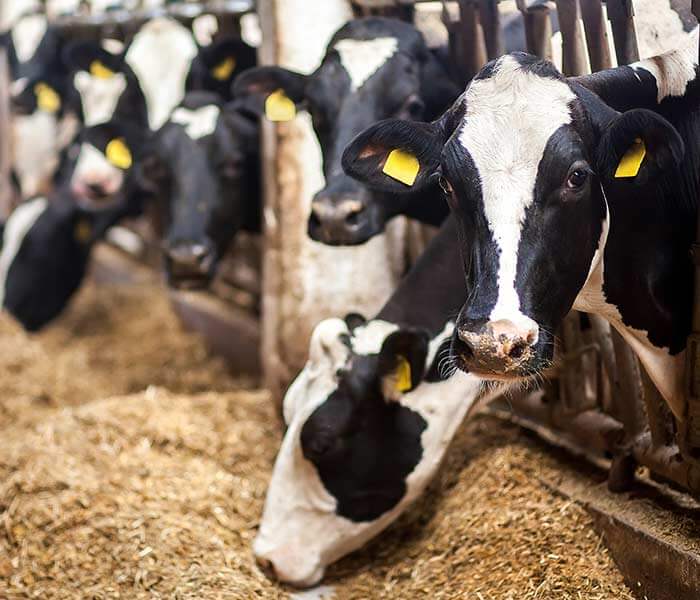
The general trend for farms has been to switch from twice a day to once a day feeding. Before you switch, make sure you think it through. Feed bunks designed with a low curb can allow feed to fall into the alley. Consider the amount of feed provided in a single feeding and if your feed bunk is designed to handle it.
Another aspect of feed bunk management is monitoring feed refusals. Many farms have a benchmark of 5% refusals or less. Consider setting different levels of acceptable refusals/shrink based on stage of lactation. Fresh and peak cows should have a higher level of allowed refusals compared to mid-to-late lactation cows. Delivering rations targeted to the needs of each group can help you reduce feed waste, aka shrink.
Take small steps to reduce dairy feed waste
Shrink is unavoidable, but you can manage the amount of shrink on your farm to help save costs. A good target level of total diet shrink is 10% or less, however it’s estimated shrink accounts for 15-20% of the total feed costs on farms. As expected, these are typically driven by forage losses in storage and feedout. However, some storage systems and certain commodities can approach 10% or more if not managed properly.
Taking steps like the ones above will help you reduce your overall amount of shrink and put dollars back in your pocket.
Use the form below to contact a nutritionist for help reducing shrink in your dairy feed.
Heather Downing
Livestock Production Specialist