Getting to the Bottom of "Ugly Corn Syndrome"
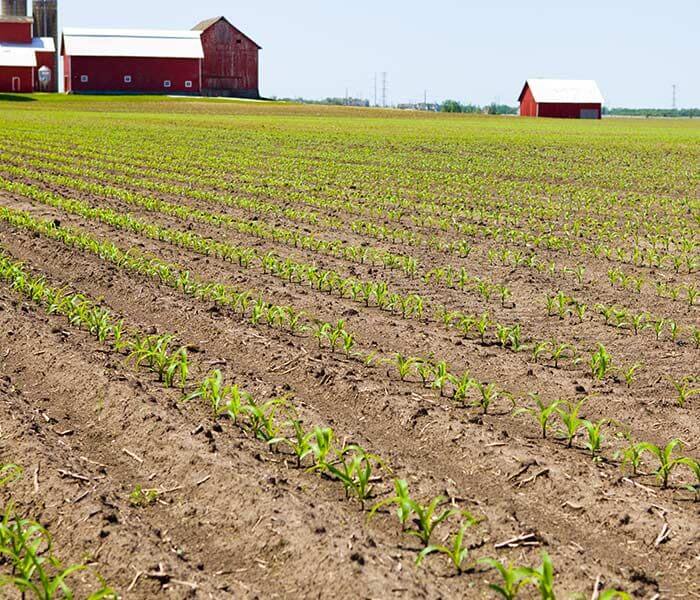
The 2020 corn crop got off to fairly early start, with generally good soil conditions in our area.
However, as we are approaching the V3 to V5 growth stages in corn, we can begin to notice some yellowing. This is especially true in areas of the field that we know are stressful (i.e. compacted areas, sandy knolls, wet spots, etc.), but we can also notice the corn becoming off color in other areas where the cause may not be quite as obvious. I like to call this affliction “Ugly Corn Syndrome”.
Now is the perfect time to scout it out!
Here is a great article from Dekalb Asgrow that describes the Visual Nutrient Deficiency Symptoms in corn.
We need to consider all the factors affecting our fields… fertilizer and manure applications, cropping history, compaction, residue management, and tillage practices, to try to determine the best course of action to relieve the plant stress we are seeing.
This is also the perfect time to pull plant tissue samples in order to get an exact snapshot of what both “Ugly” and “Normal” parts of a corn field may be lacking.
The key is to get our scouting and sampling done right now, so that we still have time to apply management to the corn before it gets too tall to allow us in the field.
Complete the form below to contact your agronomist so they can get their boots in your field.
Dan West
Territory Sales Manager